
The Creation of WCAG (Web Content Accessibility Guidelines) The W3C (World Wide Web Consortium) is an international community that develops web accessibility standards to support the longevity and growth of the…


The Creation of WCAG (Web Content Accessibility Guidelines) The W3C (World Wide Web Consortium) is an international community that develops web accessibility standards to support the longevity and growth of the…

Healthcare organizations that use photocopying to enlarge regular print documents, patient information forms, and medical statements or paperwork are doing themselves and their patients with low vision a disservice. Photocopying…

According to the American Foundation for the Blind, “braille is a system of raised dots that can be read with the fingers by people who are blind or who have…

Braille Forever Changed Accessibility to the Written Word The invention of braille nearly 200 years ago has given access to the literary world to countless numbers of individuals with blindness…
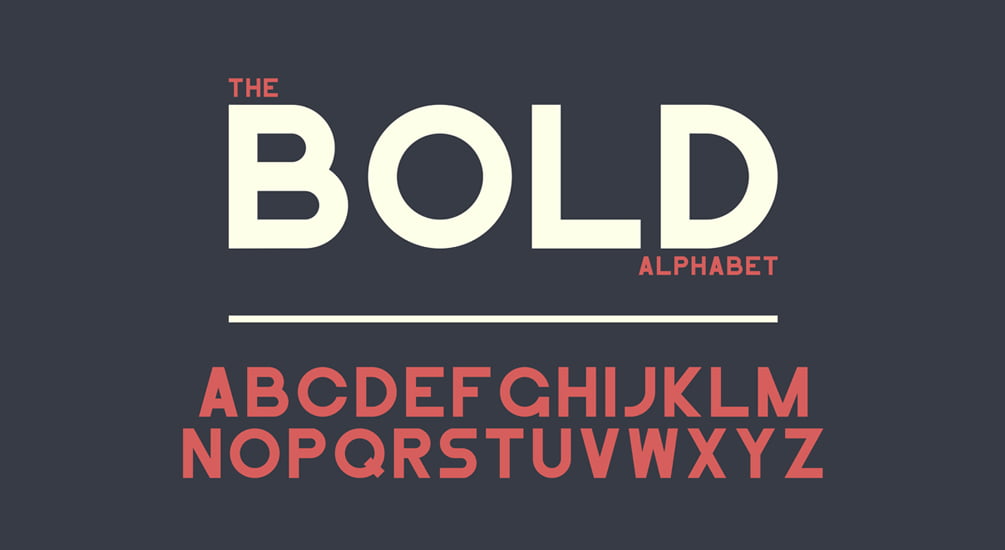
As millions of baby boomers continue to age, the number of individuals who have low or limited vision increases. The increase in individuals with low vision brings with it the…

The ADA Federal Regulations (Accessibility Law) relates to IT accessibility laws and policies, which can be found in Section 508 of the Rehabilitation Act. Section 508 of the Rehabilitation Act…

The Accessibility for Ontarians with Disabilities Act (AODA) is an Ontario law that was enacted in 2005 by the Legislative Assembly of Ontario. It sets out a process for developing…
Bill C-81, an Act to ensure a barrier-free Canada (Accessible Canada Act), is the proposed federal accessibility legislation. Tabled June 20, 2018, The Act’s purpose is to identify, remove and…